Add Row
Add Element
cropper
update
Hobby and Sports Hub
update
Add Element
  • Home
  • Categories
    • Soccer
    • Golf
    • Baseball
    • Basketball
    • American Football
    • Ice Hockey
    • Nascar Racing
    • Reading
    • Travel
    • Cooking and Baking
    • Shopping
    • Video Gaming
    • Spending Time With Pets
    • Outdoor Activities
March 26.2025
3 Minutes Read

NASCAR Fine Details on Loose Lug Nuts: The Implications for Teams and Fans

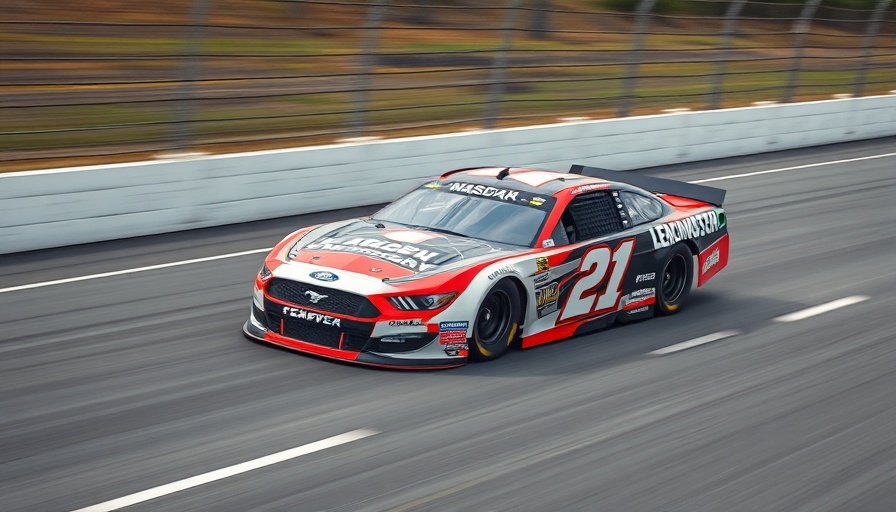
NASCAR race car speeds on track amid loose lug nuts controversy.

NASCAR's Tight Regulations: Why Lug Nut Integrity Matters

NASCAR recently issued penalties to four Xfinity Series teams due to improperly installed lug nuts, a seemingly minor oversight that holds significant ramifications in the high-speed world of auto racing. The violations occurred during the intense Xfinity event at Homestead-Miami Speedway. Each of the implicated teams — Kaulig Racing's No. 10 Chevrolet, Joe Gibbs Racing's No. 18 Toyota, Richard Childress Racing's No. 21 Chevrolet, and Young's Motorsports' No. 42 Chevrolet — faced a fine of $5,000 for not complying with NASCAR's stringent safety regulations.

The Dangers of Loose Lug Nuts: A Deeper Look

Loose lug nuts may seem like a small issue, but they can lead to catastrophic failures on the track. NASCAR's Rule Book clearly states the importance of securing all lug nuts properly to ensure vehicle stability and driver safety. The consequences of neglecting this seemingly trivial task can be dire; a car experiencing a wheel detachment can cause not only a crash for itself, but potentially for others on the track as well. This incident serves as a reminder of the high stakes involved in professional racing where even the slightest oversight can turn into a moment of chaos.

Reactions from the Teams and Fans

The fine sparked various reactions from teams and fans alike. While some argue that teams should be punished strictly to uphold the integrity of the sport, others point out that racing is inherently risky, and human error is part of the game. After all, drivers themselves put their lives on the line every time they buckle in. Fans voiced their feedback through social media, questioning whether the punishment matched the severity of the violation. This debate showcases the passionate nature of NASCAR's fan base and their expectations of the sport’s governance.

The Bigger Picture: NASCAR’s Culture of Precision

هذا الحادث ليس مجرد حالة واحدة؛ إنه جزء من ثقافة أكبر تتعلق بالدقة والكمال في NASCAR. كما استمر التسابق في نيل السيارات التنافسية في الأداء العالي، فإن التفاصيل الدقيقة مثل تأمين صواميل العجلات تلعب دورًا حاسمًا في التأثير على النتيجة النهائية. إن الالتزام بقواعد السلامة وتقليل المخاطر مسؤولية تقع على عاتق جميع الفرق إذا كان هناك هدف واحد يمكن أن يتحد جميع الفرق للمضي قدمًا فيه.

Future Implications and Possible Regulatory Changes

The ongoing incidents could lead NASCAR to revisit its regulations and how they enforce them. As the sport continues to grow, the need for promoting safety for the drivers and crews is paramount. There could be stricter penalties on the horizon or even additional protocols to ensure teams prioritize their pit stop routines. The way these penalties are handled can either set a precedent for stronger compliance or spark further discussions around the fairness of the fines imposed.

Final Thoughts: The Importance of Fan Engagement

As fans of the sport, it's crucial to remain engaged and informed about such incidents within NASCAR. Not only do they highlight the greater challenges that teams face, but they also provide opportunities for discussions surrounding safety and accountability in racing. So, the next time you hear about a penalty, consider the implications it may have beyond just the financial impact.

Ultimately, this serves as a fascinating case study for how minor infractions can ripple through the world of NASCAR, urging all involved to strive for not just excellence in racing, but also excellence in safety.

Nascar Racing

4 Views

0 Comments

Write A Comment

*
*
Related Posts All Posts
12.06.2025

Michael Annett Dies at 39: Reflecting on A NASCAR Legacy

Update A Tragic End: Remembering Michael Annett The motorsport community is mourning the sudden and untimely loss of Michael Annett, who passed away at the young age of 39. While his career on the track has come to a close, the memories he made and the impact he had on fans and peers alike remain etched in the annals of NASCAR history. Annett leaves behind a legacy as not only a talented driver but a beloved member of the racing community. From Modest Beginnings to NASCAR Competitor Born in Des Moines, Iowa, Michael Annett began his racing journey in a modest setting, sharing the track with many hopefuls. He made his mark principally in the NASCAR Xfinity Series, but his contributions spanned across all three major NASCAR series. Annett’s foray into professional racing started with the ARCA Series, securing wins at both Talladega and Daytona in 2007 and 2008, earning him respect and recognition among his peers. The Highs and Lows of Racing Despite facing many challenges, Annett persevered. His highest-profile moment came during the 2019 season while driving for JR Motorsports, where he clinched his lone victory at the Daytona season opener. This achievement was not just a win but a testament to his resilience after various struggles throughout his career. From battling injuries, including a significant stress fracture in his right femur, to overcoming the doubts of what many saw as a patchy career trajectory, Annett's journey was one marked by fighting spirit. The Meaning of His Legacy JR Motorsports, where Annett spent significant time of his career, publicly mourned the loss of their teammate. “Michael was a key member of JRM from 2017 until he retired in 2021 and was an important part in turning us into the four-car organization we remain today,” the team stated. His relationship with the team and its management encapsulated more than just competitive racing; it was about forging lifelong bonds with colleagues, sponsors, and fans. A Life Beyond Racing While Michael Annett was known for his prowess on the raceway, there was much more to him than racing stats and lap times. Annett consistently expressed gratitude for the support he received throughout his career. His genuine attitude and respect for the sport helped him forge friendships that lasted well beyond the asphalt. This emotional connection with fans remains invaluable. Many remember Annett for his personable interactions, both on and off the track. The NASCAR Community Reflects As the news of his passing reverberates through the racing community, tributes continue to pour in from fellow drivers, teams, and fans. Their heartfelt messages celebrate his spirit, tenacity, and the joy he brought to racing. Reflecting on Annett’s career urges fans to remember the ebbs and flows of competition—how adversity can lead to personal growth. This reality is a harsh, but often poignant aspect of being a professional athlete. As fans of NASCAR and friends of Annett continue to grapple with this loss, it is crucial to acknowledge the bigger picture. Annett’s story illustrates that beyond the glory of wins and podium finishes, it is relationships and integrity that define a racer’s true legacy. His achievements may not include a long list of wins, but the respect and admiration he earned throughout his career resonate more deeply than trophies ever could.

12.05.2025

NASCAR's Costly Secrets: Bob Jenkins Exposes Shocking Repairs for Non-Wrecked Next Gen Cars

Update Bob Jenkins' Testimony Unveils NASCAR's Costly Practices In a recent federal antitrust trial, Bob Jenkins, owner of Front Row Motorsports, stunned the courtroom with revelations about the expenses linked to NASCAR's Next Gen cars. During his testimony, he disclosed that even when cars haven’t been involved in accidents, teams are still required to send the nose and tail of these vehicles back for mandatory 'repairs.' This stipulation comes at a steep price of $30,000 each, creating an additional financial burden for teams already grappling with escalating costs. The Financial Toll of the Next Gen Car The introduction of NASCAR's Next Gen car, presented as a cost-saving measure, has instead resulted in spiraling expenses for teams. Jenkins revealed that his annual spending on parts has rocketed from $1.8 million to $4.7 million since the new car’s debut. The assertion that only approved suppliers can manage repairs has sparked frustration among team owners, including Jenkins, who lament the monopoly-like grip NASCAR has on car parts and repairs. A Fragile Financial Landscape for NASCAR Teams The trial has highlighted an alarming financial reality for many NASCAR teams. Jenkins testified that he has never turned a profit since taking the helm at Front Row Motorsports, and estimated losses of over $100 million since he started in the 2000s, despite reaching significant milestones like winning the Daytona 500 in 2021. This narrative is not unique to Jenkins; numerous team owners echo similar sentiments about the unsustainable financial model currently enforced by NASCAR. The charter agreements, designed to lend stability, have instead drawn crews into a precarious situation. Monopolistic Practices Under Scrutiny The crux of the trial revolves around allegations that NASCAR is engaging in monopolistic practices, limiting competition and avenues for financial viability for race teams. Jenkins, alongside co-plaintiff 23XI Racing, notes that the charter agreements introduced on the eve of the 2024 playoffs left many team owners feeling compelled to sign, despite reservations about the deal. Jenkins described the agreement as 'insulting,' stating that it was structured in a way that left teams with little choice but to comply, likening it to a 'take-it-or-leave-it' ultimatum. The Emotional Weight of Competition For Jenkins, this lawsuit is more than just a matter of dollars and cents. It’s also about the dream of being a team owner in NASCAR, a passion he’s nurtured since his childhood. He spoke candidly about the emotional toll these monopolistic practices have taken on him and his fellow owners. The pressures of financial instability and the necessity of outbidding competitors for sponsorships have left racers feeling devalued and unsupportive. Potential Outlook for NASCAR's Future As this antitrust trial unfolds, the future of NASCAR's business practices hangs in the balance. With Jenkins and 23XI Racing paving the way for change, there is potential for a shift away from the monopolistic tendencies that have characterized the sport in recent years. If successful, this case could redefine the way NASCAR operates, fostering a more favorable environment for race teams. Decoding What This Means for Fans and Teams For fans of NASCAR, this trial could represent a turning point in the sport's long-standing traditions and operations. If changes are mandated, teams might finally regain some independence regarding car modifications and repairs, possibly improving the competitiveness of the races as a whole. Moreover, as fan engagement shifts, it could lead to a reinvigorated and sustainable NASCAR culture that aligns more closely with its enthusiastic fanbase. Join the Conversation This is just the beginning of an evolving story in the realm of NASCAR. With voices like Bob Jenkins speaking out, the narrative around racing's financial structure is set to evolve significantly. Fans are urged to stay informed and engaged as the trial progresses, as the outcome may reshape the future of the sport we all love.

12.03.2025

The Impact of NASCAR’s Antitrust Trial on Racing’s Future: Insights from Scott Prime

Update A NASCAR Antitrust Trial: The High Stakes Showdown In a tense courtroom in Charlotte, North Carolina, NASCAR's reputation is on trial as the sport grapples with accusations of monopolistic behavior. The spotlight is on Scott Prime, NASCAR's Executive Vice President & Chief Strategy Officer. As he took the stand during the ongoing antitrust trial, the narrative of how NASCAR operates, and its implications for its teams, unfolded dramatically. This case, pitting NASCAR against teams like 23XI Racing and Front Row Motorsports, reveals the complexities of competition and control within the sport. The Allegations Against NASCAR: A Monopolistic Approach? The crux of the antitrust allegations rests on whether NASCAR has used anti-competitive tactics to stifle potential rivals. Prime was questioned rigorously by attorney Jeffrey Kessler, representing the two plaintiff teams. Kessler referenced documents that shed light on NASCAR's strategy to erase competition, particularly focusing on newly emerging series that could rival NASCAR's stronghold on stock car racing. The mention of LIV Golf, a successful venture by stars including Phil Mickelson and the Saudi PIF, was especially poignant. Kessler pointed out that NASCAR executives, including Prime, had discussed forming alliances to counteract such threats. Exclusivity Agreements and Financial Strain: Behind the Scenes During the second day of testimony, Prime faced inquiries about the exclusivity clauses embedded in the agreements NASCAR holds with racetracks, potentially reinforcing a monopoly against competing leagues. Furthermore, the trial highlighted discussions around the exorbitant expenses teams incur due to what critics refer to as an "arms race" regarding engineering advancements, compounded by the absence of a cost cap—a move NASCAR openly supported but ultimately failed to implement during negotiations. A Closer Look at the Charter Negotiations The charter negotiations that took place over the past two years illustrate the friction within the league. While NASCAR pushed for a partnership atmosphere, the final deal fell flat in the eyes of many team owners, leaving them to feel more handcuffed than empowered. Prime admitted under oath that many requests from the teams went unaddressed, leaving them without true ownership or governance capabilities within NASCAR. The trial has seen powerful team owners like Michael Jordan and Bob Jenkins prepare to testify about the struggles they have faced within a perceived 'dictatorial' structure of NASCAR. Implications for NASCAR: Past and Future As this historic trial progresses, the implications for NASCAR stretch far beyond the courtroom. The outcome could redefine how teams interact with the governing body, reshaping the competitive landscape. With high-profile figures like Jordan and Jenkins poised to testify, the narrative surrounding NASCAR's future is increasingly scrutinized. Fans and participants alike are left to wonder: will this trial prompt NASCAR to adopt more equitable practices, or will it reinforce the existing hierarchy that many perceive as anti-competitive? What This Means for Fans and Teams Alike The trial’s unfolding drama is not just a legal battle; it's a reflection of the ongoing struggle between innovation, competition, and tradition within NASCAR. For fans, understanding these dynamics can deepen their connection to the sport, while for teams, the outcome may significantly influence both commercial viability and competitive equity moving forward. As NASCAR navigates these turbulent waters, the entire motorsports world watches with bated breath. Conclusion: The Importance of Fair Competition NASCAR stands at a crucial crossroads in its history. As the legal proceedings continue, the lessons learned here about competition, transparency, and inclusivity could very well shape the future of the sport. The push for fair competition aligns with broader societal movements that favor equity in sports and business. Every fan and stakeholder in the sport should stay engaged and advocate for a competitive and just motorsports environment. The unfolding news from this trial could have lasting repercussions on how racing is managed in America.

Terms of Service

Privacy Policy

Core Modal Title

Sorry, no results found

You Might Find These Articles Interesting

T
Please Check Your Email
We Will Be Following Up Shortly
*
*
*