Add Row
Add Element
cropper
update
Hobby and Sports Hub
update
Add Element
  • Home
  • Categories
    • Soccer
    • Golf
    • Baseball
    • Basketball
    • American Football
    • Ice Hockey
    • Nascar Racing
    • Reading
    • Travel
    • Cooking and Baking
    • Shopping
    • Video Gaming
    • Spending Time With Pets
    • Outdoor Activities
July 08.2025
4 Minutes Read

Navigating the MLB Draft: Insights on Recent No. 1 Picks

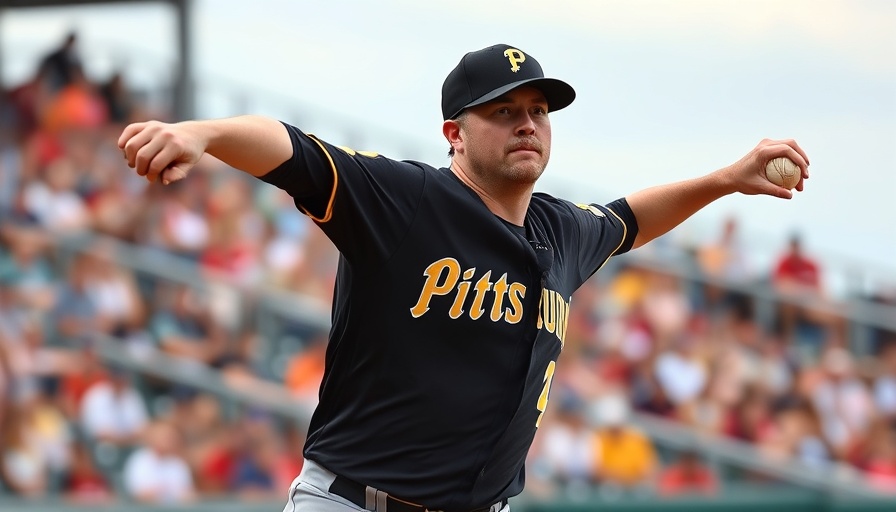
MLB Draft No. 1 picks: Pitcher in action wearing Pittsburgh jersey.

MLB Draft: A Look Back at the Most Impactful No. 1 Picks

As the 2025 MLB Draft approaches, anticipation stirs throughout Major League Baseball. This year, all eyes are on the Washington Nationals, who secured the coveted No. 1 pick for the third time in franchise history. Team managers, scouts, and fans alike consider the implications of this selection — could it be the choice that transforms a team’s future? Looking back at the last decade of No. 1 picks provides insight into the risks, triumphs, and lessons learned that drive the draft narrative.

The Shift in Draft Strategy and Player Evaluation

To understand the stakes of the upcoming draft, we need to reflect on a pivotal change in the drafting strategy: the introduction of trading drafted players within six months of signing. This shift aimed to eliminate loopholes that had previously left players like Trea Turner in limbo, stalling their professional careers. The implementation of this rule reshaped teams' approaches to drafting and player movements, turning prior selections into immediate assets or liabilities.

Historic No. 1 Picks: Where Are They Now?

Let’s examine the past decade, starting with 2015: Dansby Swanson. Originally selected by the Diamondbacks, Swanson was traded to the Atlanta Braves just months later in what many consider a blunder by Arizona. The return? Outfielder Ender Inciarte and pitcher Aaron Blair, neither of whom matched the all-around impact Swanson continues to have. As a fixture in the Braves lineup, he has become a World Series champion and a fan favorite.

In 2016, the Philadelphia Phillies selected Mickey Moniak, who has yet to find consistency in his performance despite being touted for his potential. Fast forward to 2021, and you have the Pittsburgh Pirates nabbing Henry Davis. Early buzz indicates he could be the franchise catcher of the future, yet his journey has just begun, exemplifying the long road ahead for many draftees.

Future Stars or Draft Day Disappointments?

The unpredictability of scouting high school and college talents was encapsulated in the selections from 2017 to the present. Each player comes with unique strengths, yet the leap to the MLB proves steep. Paul Skenes, taken first overall in 2023, showcases exceptional talent as a pitcher but must refine his skills against top-tier hitters to avoid becoming another cautionary tale.

Drafting is a gamble—case in point: the 2018 selection of Casey Mize by the Detroit Tigers. Once labeled a 'can’t-miss' prospect, injuries have hindered Mize's development. His struggles raise questions about how teams assess talent beyond the physical — often needing to consider the mental and emotional traits required when stepping into the professional arena.

Counterarguments: Why Drafting is Always a Risk

While fans celebrate the successful careers of players like Bryce Harper (2010) or Stephen Strasburg (2009), scrutiny remains on the teams that have blown their No. 1 selections. Analyzing no-shows in performance brings to light counterarguments about drafting: In a sport as unpredictably advanced as baseball, every pick comes with its share of hope and potential despair.

Moreover, the business aspect of building a roster cannot be overlooked. Teams must blend nurturing talent with the urgency of winning now to stay competitive, leading to complex choices that may not always align with popular expectations.

The Path Forward: How Teams Can Make the Most of Their Picks

Organizations looking to maximize their draft capital should invest in comprehensive player evaluations that consider both statistical metrics and intangibles. An increased focus on player culture incompatibilities and psychological readiness ensures players can handle the ups and downs of a professional career.

Teams should not fear honing their own draft philosophies, which might mean being unorthodox at times. Instead of solely focusing on the expected position for their draft pick, why not take an approach that prioritizes fit, character, and resilience?

Final Thoughts: What’s at Stake for Fans and Players

In the end, what’s at stake on draft day is more than just statistics. It’s about dreams — players striving to make their mark versus franchises betting the future on a young athlete's shoulders. For every success story, there’s a sobering reality of risk and failure. This dynamic of hope permeates every draft, making it one of the most riveting times of the year for fans.

So, as the countdown to the 2025 MLB Draft continues, fans must prepare to witness both the promise of young talent and the legacy of the past as franchises pivot to build future champions. Stay tuned and stay passionate about the game.

Call to Action: Engage with local baseball discussions on draft strategies and insights. Join sports forums or social media groups where fans share opinions and predictions about future stars.

Baseball

4 Views

0 Comments

Write A Comment

*
*
Related Posts All Posts
12.06.2025

Drew Anderson Signs with Tigers: What This Means for His Career and Team

Update Drew Anderson: A New Chapter with the Detroit Tigers In a surprising yet strategic move, the Detroit Tigers have signed right-handed pitcher Drew Anderson to a one-year contract, complete with a club option for 2027. Although the official salary details of the deal haven't been disclosed, expectations are soaring. After proving his worth in the Korean Baseball Organization (KBO) over the past two seasons, Anderson is poised to make a significant impact as a starter in the Tigers' rotation. The Journey Back to Major League Baseball Anderson's path to this current opportunity has been anything but conventional. Originally drafted in 2012 by the Philadelphia Phillies as a 21st-round pick, he had brief stints in the majors from 2017 to 2021 before transitioning overseas to pursue a career revival. With a disappointing MLB ERA of 6.50, the 32-year-old took his talents to Japan, where he played for the Hiroshima Carp. His performance there was nothing short of stellar—posting a 3.05 ERA over two seasons that helped him hone his skills and regain confidence before heading back to the United States. Success in Korea Fuels New Opportunities Returning to the states, Anderson signed a minor league contract with the Tigers in early 2024 but ultimately found himself back in the KBO with the SSG Landers. After a successful campaign in Korea, where he posted an impressive 2.25 ERA over 171.2 innings in 2025, the Tigers decided to give him another shot in MLB. During his time in Korea, Anderson refined his pitching technique and developed a new mindset that emphasizes velocity and control—attributes that will serve him well in a competitive Major League environment. Detroit’s Rotational Landscape: A Competitive Edge The Tigers are currently reshaping their starting rotation, led by Cy Young Award winner Tarik Skubal and All-Star Casey Mize. However, the addition of Anderson is an intriguing proposition, especially with concerns surrounding the health of existing starters. With Reese Olson still recovering from a shoulder injury, Anderson will compete for the #5 spot against young talents like Keider Montero and Ty Madden. This infusion of fresh talent may bolster the team's chances of success in upcoming seasons. Building on Experience: What Anderson Brings to the Tigers Anderson has expressed optimism about integrating his experiences from Japan into the North American game. The importance of pitch selection and adapting to different batting styles has significantly influenced his approach. The increased velocity—averaging 95.5 miles per hour on his fastball—coupled with a refined slider and an occasional cutter, positions him as a formidable opponent on the mound. His adaptability and insights gained overseas are likely to resonate throughout the Tigers' clubhouse, enhancing the team’s overall dynamics. What’s Next for Drew Anderson? As spring training approaches, all eyes will be on Anderson as he vies for a spot in the Tigers' rotation. With a renewed sense of purpose and a wealth of international experience, he is set to showcase how far he has come since his initial MLB stints. Yet, the question remains: can he consistently outperform the competition and secure a place on the active roster? If there's one thing his journey teaches us, it's that determination and adaptability are key components of success in sports and life. Final Thoughts on the Tigers’ Bold Move The Tigers' decision to sign Drew Anderson is more than just a strategic play; it reflects their commitment to building a competitive team. By investing in a pitcher who has refined his skills overseas, they are angling to fortify their roster in anticipation of a challenging season. As we look ahead to the upcoming campaign, Anderson's journey will undoubtedly serve as a compelling narrative in the broader story of the Tigers and their quest for success. As the Tigers gear up for spring training, stay tuned for an exciting year in baseball. Will Drew Anderson emerge as a pivotal player for this team? Only time will tell, but for now, he’s certainly one to watch.

12.05.2025

Texas Rangers Face Tight Budget: Can They Afford J.T. Realmuto?

Update The Rangers' Pursuit of a Catcher: A Turning Point? The Texas Rangers are navigating a tricky period after the non-tendering of catcher Jonah Heim, amplifying their need to secure a solid presence behind the plate. Following this decision, all eyes have turned to renowned free agent J.T. Realmuto. Despite his impressive track record—often regarded as one of the top catchers in Major League Baseball over the past decade—reports suggest that the Rangers are unlikely to have the payroll flexibility necessary to bring him into the fold. Financial Constraints: Understanding the Numbers As the Rangers plan their budget for the 2026 season, it appears the team is trending toward a cautious approach, with a projected payroll around $169 million, significantly lower than the $224 million they operated with last year. Such a reduction is a key factor limiting their ability to pursue higher-priced free agents like Realmuto, who is predicted to command approximately $30 million over two years. In this context, the goals remain resolute: secure a functional roster while managing budget limitations. Current options at catcher are few; the Rangers' roster features Kyle Higashioka—who at 36 years old might not start regularly—and Willie MacIver, who lacks significant major league experience. This instability has left the organization urgently needing a more reliable presence at the position. Alternate Targets: Finding a Budget-Friendly Solution In light of their financial situation, the Rangers have started exploring more economical alternatives to Realmuto. Possible candidates include Victor Caratini and Danny Jansen. Caratini, valued at about $14 million for two years, presents a viable option, especially given his consistent offensive prowess during his time with the Astros, despite recent mixed defensive evaluations. Furthermore, the trade market opens up additional avenues for the Rangers to consider. Prospects like Carter Jensen from the Royals could address their needs while allowing the franchise to retain its financial backbone. Jensen, who boasts impressive minor league stats, appears to be a coveted asset for his potential. However, acquiring him would require a consideration of the Royals' needs, particularly with catcher Salvador Perez signed through 2027. The Strategic Landscape: Roster Building Under Pressure The implications of the Rangers' financial strategy extend beyond just the catcher position. With substantial contracts held by players like Jacob deGrom and Corey Seager contributing significantly to the payroll, the team needs to identify low-risk acquisitions to round out their roster effectively. As their scouting and development team works tirelessly to enhance their prospects, it will be interesting to see how the organization balances immediate needs with the long-term vision. Ultimately, the feasible selections revolve around securing a solid catcher and possibly enhancing their pitching rotation without overspending. If the Rangers can successfully marry smart acquisitions with the remaining financial bandwidth, they may yet build a competitive roster despite current constraints. What Lies Ahead for Rangers Fans? The evolving dynamics within the Rangers organization offer a compelling narrative for fans eagerly awaiting the 2026 season. While the absence of a marquee signing like Realmuto will undoubtedly stimulate chatter and debate among the fanbase, the organization’s focus on carefully executing a budget-conscious strategy can also sow hope. Fans should remain vigilant as the situation progresses, looking for insights into emerging player acquisitions and trades that could redefine the team's structure. With investments into the future and an emphasis on analytics and scouting, this upcoming season could be one of strategic evolution, promising to reshape the team’s identity over time. The overall sentiment is that the Rangers may not be done yet. With potential trades and less flashy signings remaining on the table, there still lies the opportunity for the organization to build a competitive roster without breaking the bank.

12.03.2025

Discover Potential Stars This Winter: Keep an Eye on Non-Tendered Pitchers

Update The Offseason Buzz: Non-Tender Candidates to WatchAs winter deepens in Major League Baseball, the non-tender deadline raises the stakes for teams seeking to make strategic roster changes. Every year, several players under team control are handed an early chance at free agency, either due to escalating arbitration costs or simply as a means to free roster spots for prospects. This offseason, several intriguing pitchers have found themselves in this situation, offering potential value to teams looking to bolster their bullpens or starting rotations.The Non-Tender Landscape: What Does It Mean?The non-tender process allows teams to opt out of keeping a player, essentially preventing them from negotiating a new contract. Historically, this has led to some high-profile players becoming free agents. Recently, notable names such as Kyle Schwarber and Brandon Woodruff emerged from non-tender situations only to thrive later in their careers. While not all non-tender athletes reach stardom, many find new homes and turn into valuable contributors for other teams.Spotlight on Non-Tendered PitchersAmong the intriguing names entering this winter's fray are pitchers that, despite previous struggles or injuries, show potential upside that could be harnessed in the right environment. Here, we discuss five non-tendered pitchers worth monitoring:Jason Foley (30)Foley’s career has taken him through ups and downs, marked by injuries in recent seasons. The right-hander boasts an impressive resume when healthy, featuring a career 3.16 ERA over 199.2 innings and significant late-inning experience as the former closer for the Tigers. If he can rebound from shoulder surgery, he could be a steal in free agency for a team seeking a reliable arm for high-pressure situations.Mark Leiter Jr. (35)Leiter's entire career has been a testament to persistence. This veteran reliever has seen patchy success at the big-league level, pitching well over the past three years with a notable strikeout rate of 29.2%. If his batted ball luck normalizes, he possesses the potential to emerge as a solid late-inning asset, particularly against left-handed batters where he has shined.Evan Phillips (31)Phillips has been a dominant force for the Dodgers before undergoing Tommy John surgery, which sidelined him in 2025. With a 2.22 ERA during his time in Los Angeles, his recovery could make him a sought-after asset for teams looking to strengthen their bullpens for the latter half of the 2026 season.Gregory Santos (26)The youngest on this list, Santos gained notoriety with a promising season with the White Sox, demonstrating a solid track record despite injuries hampering his recent performances. His mix of strikeouts and ground balls signifies potential that could easily resurface if he finds an organization willing to invest in his recovery.Jacob Webb (32)Having been non-tendered in consecutive seasons, Webb possesses a respectable 3.38 ERA over the last four years despite mediocre velocity. For teams looking for a serviceable middle reliever without breaking the bank, Webb offers experience at a budget-friendly price, especially given his ability to not walk many batters and induce weak contact.Why This MattersThe offseason is a crucial time for teams in search of undervalued talent, and non-tendered players present unique opportunities. While these pitchers come with risks tied to their past performances and injuries, the potential rewards make them valuable targets for savvy front offices looking to maximize payroll efficiency while enhancing the roster.Making Decisions: Teams Must Be StrategicUnderstanding the motivations behind non-tendering players can offer a glimpse into how franchises view their long-term strategies. It also presents tactical opportunities for pitching-needy teams who may find hidden gems in the rough. Fans should keep an eye on these players, as many could play pivotal roles in reshaping contenders during the 2026 season and beyond.This offseason promises to be a turning point for several careers, and for fans of MLB, following these non-tendered names may reward them with exciting narratives and impactful players in the coming season.

Terms of Service

Privacy Policy

Core Modal Title

Sorry, no results found

You Might Find These Articles Interesting

T
Please Check Your Email
We Will Be Following Up Shortly
*
*
*