Add Row
Add Element
cropper
update
Hobby and Sports Hub
update
Add Element
  • Home
  • Categories
    • Soccer
    • Golf
    • Baseball
    • Basketball
    • American Football
    • Ice Hockey
    • Nascar Racing
    • Reading
    • Travel
    • Cooking and Baking
    • Shopping
    • Video Gaming
    • Spending Time With Pets
    • Outdoor Activities
June 06.2025
3 Minutes Read

Why NASCAR’s Streaming Shift on Prime Video is Worth Embracing

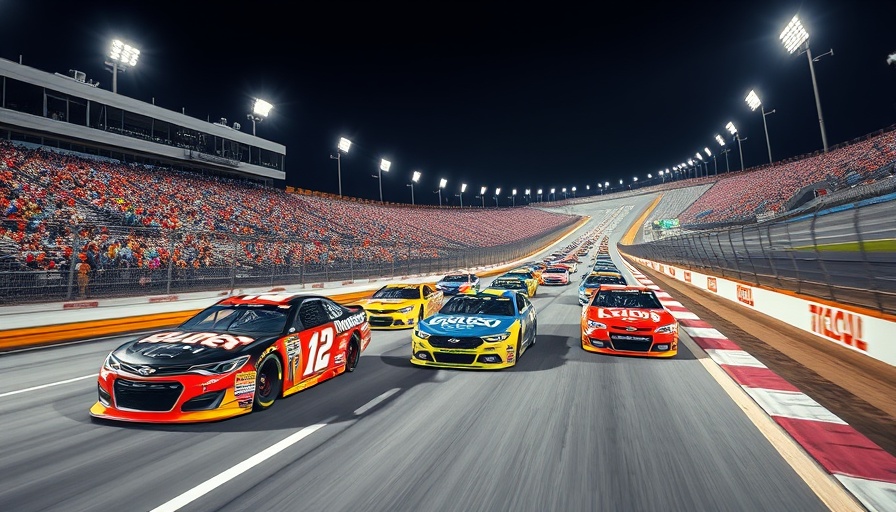
NASCAR race at Nashville Superspeedway on Prime Video, nighttime action.

Streaming NASCAR: A New Era for Fans

As the world of motorsports continues to evolve, one thing is clear: the transition of NASCAR races to Prime Video has sparked a fiery debate among fans. Jeff Gluck, a respected NASCAR insider, recently took to X/Twitter to voice his frustrations about the backlash against this shift in broadcasting, proclaiming that critics are simply missing the bigger picture. It’s time to delve deeper into what this means for the future of live sports, especially for a dedicated fanbase like NASCAR's.

The Complaints and the Contradiction

Many fans have expressed discontent about needing an Amazon Prime subscription to watch the races. Gluck humorously highlighted this irony in his social media post: here we have possibly the best coverage in NASCAR history, yet some folks are lamenting the need for a subscription. The criticisms are loud but often lack substance. Fans have grown accustomed to a certain way of consuming sports, and change brings discomfort. However, it’s worth examining the benefits of this new broadcasting approach.

Why Streaming May Be the Future of Sports

NASCAR’s move to Prime Video is not an isolated event but part of a larger trend in sports broadcasting. Similar transitions have been witnessed across major leagues, including the NFL, which have experimented with streaming games on platforms like Peacock and Netflix. These changes challenge fans to adapt but also promise more accessible and innovative ways to engage with the sport. The fact that Prime Video is offering a free 30-day trial means that the entry barrier is lower than ever, giving more fans an opportunity to experience this evolution firsthand.

Insights from the Experts

Jeff Gluck isn’t alone in his praise of Prime Video’s NASCAR coverage. Its debut in the racing world generated positive buzz, with fans and critics alike noting the enhanced production quality and unique features aimed at engaging audiences. Jay Marine, the vice president and global head of sports at Prime Video, echoed similar sentiments during the announcement of the coverage deal, emphasizing how it can connect NASCAR fans like never before. With added interactive options and in-depth race analysis, the potential is there for a more immersive experience.

NASCAR’s Evolving Landscape: Looking Ahead

As this streaming partnership unfolds, it’s essential to consider its implications for NASCAR's growth. By reaching a broader audience through Prime Video, NASCAR could tap into new demographics, potentially making the sport more popular among non-traditional fans. The league has secured a deal with Prime Video to showcase five races per season until 2031, indicating a long-term commitment to this format. As the focus shifts from traditional broadcasting to streaming, what innovative features will they introduce next?

The Emotional Connection of Sports Fans

At its core, sports are about community, connection, and shared experiences. Fans who criticize the switch to streaming may feel as if they are losing access to something they’ve always enjoyed on their terms. But is this the death of traditional viewing, or are we witnessing the rebirth of how fans engage with their favorite sports? As the experience evolves, so too does the potential for deeper, more meaningful connections among the fanbase. The embrace of digital platforms could usher in a new age of fan engagement that has previously been unimaginable.

Take Action: Join the Conversation

As NASCAR fans navigate through these changes, it’s vital to stay informed and engaged. Embrace the opportunity to watch races on Prime Video and share your experiences. Participate in discussions about the future of sports broadcasting. The landscape is shifting, but with every challenge comes an opportunity for innovation and growth. Jump in, explore, and discover what this new era of NASCAR has to offer!

Nascar Racing

33 Views

0 Comments

Write A Comment

*
*
Related Posts All Posts
12.06.2025

Michael Annett Dies at 39: Reflecting on A NASCAR Legacy

Update A Tragic End: Remembering Michael Annett The motorsport community is mourning the sudden and untimely loss of Michael Annett, who passed away at the young age of 39. While his career on the track has come to a close, the memories he made and the impact he had on fans and peers alike remain etched in the annals of NASCAR history. Annett leaves behind a legacy as not only a talented driver but a beloved member of the racing community. From Modest Beginnings to NASCAR Competitor Born in Des Moines, Iowa, Michael Annett began his racing journey in a modest setting, sharing the track with many hopefuls. He made his mark principally in the NASCAR Xfinity Series, but his contributions spanned across all three major NASCAR series. Annett’s foray into professional racing started with the ARCA Series, securing wins at both Talladega and Daytona in 2007 and 2008, earning him respect and recognition among his peers. The Highs and Lows of Racing Despite facing many challenges, Annett persevered. His highest-profile moment came during the 2019 season while driving for JR Motorsports, where he clinched his lone victory at the Daytona season opener. This achievement was not just a win but a testament to his resilience after various struggles throughout his career. From battling injuries, including a significant stress fracture in his right femur, to overcoming the doubts of what many saw as a patchy career trajectory, Annett's journey was one marked by fighting spirit. The Meaning of His Legacy JR Motorsports, where Annett spent significant time of his career, publicly mourned the loss of their teammate. “Michael was a key member of JRM from 2017 until he retired in 2021 and was an important part in turning us into the four-car organization we remain today,” the team stated. His relationship with the team and its management encapsulated more than just competitive racing; it was about forging lifelong bonds with colleagues, sponsors, and fans. A Life Beyond Racing While Michael Annett was known for his prowess on the raceway, there was much more to him than racing stats and lap times. Annett consistently expressed gratitude for the support he received throughout his career. His genuine attitude and respect for the sport helped him forge friendships that lasted well beyond the asphalt. This emotional connection with fans remains invaluable. Many remember Annett for his personable interactions, both on and off the track. The NASCAR Community Reflects As the news of his passing reverberates through the racing community, tributes continue to pour in from fellow drivers, teams, and fans. Their heartfelt messages celebrate his spirit, tenacity, and the joy he brought to racing. Reflecting on Annett’s career urges fans to remember the ebbs and flows of competition—how adversity can lead to personal growth. This reality is a harsh, but often poignant aspect of being a professional athlete. As fans of NASCAR and friends of Annett continue to grapple with this loss, it is crucial to acknowledge the bigger picture. Annett’s story illustrates that beyond the glory of wins and podium finishes, it is relationships and integrity that define a racer’s true legacy. His achievements may not include a long list of wins, but the respect and admiration he earned throughout his career resonate more deeply than trophies ever could.

12.05.2025

NASCAR's Costly Secrets: Bob Jenkins Exposes Shocking Repairs for Non-Wrecked Next Gen Cars

Update Bob Jenkins' Testimony Unveils NASCAR's Costly Practices In a recent federal antitrust trial, Bob Jenkins, owner of Front Row Motorsports, stunned the courtroom with revelations about the expenses linked to NASCAR's Next Gen cars. During his testimony, he disclosed that even when cars haven’t been involved in accidents, teams are still required to send the nose and tail of these vehicles back for mandatory 'repairs.' This stipulation comes at a steep price of $30,000 each, creating an additional financial burden for teams already grappling with escalating costs. The Financial Toll of the Next Gen Car The introduction of NASCAR's Next Gen car, presented as a cost-saving measure, has instead resulted in spiraling expenses for teams. Jenkins revealed that his annual spending on parts has rocketed from $1.8 million to $4.7 million since the new car’s debut. The assertion that only approved suppliers can manage repairs has sparked frustration among team owners, including Jenkins, who lament the monopoly-like grip NASCAR has on car parts and repairs. A Fragile Financial Landscape for NASCAR Teams The trial has highlighted an alarming financial reality for many NASCAR teams. Jenkins testified that he has never turned a profit since taking the helm at Front Row Motorsports, and estimated losses of over $100 million since he started in the 2000s, despite reaching significant milestones like winning the Daytona 500 in 2021. This narrative is not unique to Jenkins; numerous team owners echo similar sentiments about the unsustainable financial model currently enforced by NASCAR. The charter agreements, designed to lend stability, have instead drawn crews into a precarious situation. Monopolistic Practices Under Scrutiny The crux of the trial revolves around allegations that NASCAR is engaging in monopolistic practices, limiting competition and avenues for financial viability for race teams. Jenkins, alongside co-plaintiff 23XI Racing, notes that the charter agreements introduced on the eve of the 2024 playoffs left many team owners feeling compelled to sign, despite reservations about the deal. Jenkins described the agreement as 'insulting,' stating that it was structured in a way that left teams with little choice but to comply, likening it to a 'take-it-or-leave-it' ultimatum. The Emotional Weight of Competition For Jenkins, this lawsuit is more than just a matter of dollars and cents. It’s also about the dream of being a team owner in NASCAR, a passion he’s nurtured since his childhood. He spoke candidly about the emotional toll these monopolistic practices have taken on him and his fellow owners. The pressures of financial instability and the necessity of outbidding competitors for sponsorships have left racers feeling devalued and unsupportive. Potential Outlook for NASCAR's Future As this antitrust trial unfolds, the future of NASCAR's business practices hangs in the balance. With Jenkins and 23XI Racing paving the way for change, there is potential for a shift away from the monopolistic tendencies that have characterized the sport in recent years. If successful, this case could redefine the way NASCAR operates, fostering a more favorable environment for race teams. Decoding What This Means for Fans and Teams For fans of NASCAR, this trial could represent a turning point in the sport's long-standing traditions and operations. If changes are mandated, teams might finally regain some independence regarding car modifications and repairs, possibly improving the competitiveness of the races as a whole. Moreover, as fan engagement shifts, it could lead to a reinvigorated and sustainable NASCAR culture that aligns more closely with its enthusiastic fanbase. Join the Conversation This is just the beginning of an evolving story in the realm of NASCAR. With voices like Bob Jenkins speaking out, the narrative around racing's financial structure is set to evolve significantly. Fans are urged to stay informed and engaged as the trial progresses, as the outcome may reshape the future of the sport we all love.

12.03.2025

The Impact of NASCAR’s Antitrust Trial on Racing’s Future: Insights from Scott Prime

Update A NASCAR Antitrust Trial: The High Stakes Showdown In a tense courtroom in Charlotte, North Carolina, NASCAR's reputation is on trial as the sport grapples with accusations of monopolistic behavior. The spotlight is on Scott Prime, NASCAR's Executive Vice President & Chief Strategy Officer. As he took the stand during the ongoing antitrust trial, the narrative of how NASCAR operates, and its implications for its teams, unfolded dramatically. This case, pitting NASCAR against teams like 23XI Racing and Front Row Motorsports, reveals the complexities of competition and control within the sport. The Allegations Against NASCAR: A Monopolistic Approach? The crux of the antitrust allegations rests on whether NASCAR has used anti-competitive tactics to stifle potential rivals. Prime was questioned rigorously by attorney Jeffrey Kessler, representing the two plaintiff teams. Kessler referenced documents that shed light on NASCAR's strategy to erase competition, particularly focusing on newly emerging series that could rival NASCAR's stronghold on stock car racing. The mention of LIV Golf, a successful venture by stars including Phil Mickelson and the Saudi PIF, was especially poignant. Kessler pointed out that NASCAR executives, including Prime, had discussed forming alliances to counteract such threats. Exclusivity Agreements and Financial Strain: Behind the Scenes During the second day of testimony, Prime faced inquiries about the exclusivity clauses embedded in the agreements NASCAR holds with racetracks, potentially reinforcing a monopoly against competing leagues. Furthermore, the trial highlighted discussions around the exorbitant expenses teams incur due to what critics refer to as an "arms race" regarding engineering advancements, compounded by the absence of a cost cap—a move NASCAR openly supported but ultimately failed to implement during negotiations. A Closer Look at the Charter Negotiations The charter negotiations that took place over the past two years illustrate the friction within the league. While NASCAR pushed for a partnership atmosphere, the final deal fell flat in the eyes of many team owners, leaving them to feel more handcuffed than empowered. Prime admitted under oath that many requests from the teams went unaddressed, leaving them without true ownership or governance capabilities within NASCAR. The trial has seen powerful team owners like Michael Jordan and Bob Jenkins prepare to testify about the struggles they have faced within a perceived 'dictatorial' structure of NASCAR. Implications for NASCAR: Past and Future As this historic trial progresses, the implications for NASCAR stretch far beyond the courtroom. The outcome could redefine how teams interact with the governing body, reshaping the competitive landscape. With high-profile figures like Jordan and Jenkins poised to testify, the narrative surrounding NASCAR's future is increasingly scrutinized. Fans and participants alike are left to wonder: will this trial prompt NASCAR to adopt more equitable practices, or will it reinforce the existing hierarchy that many perceive as anti-competitive? What This Means for Fans and Teams Alike The trial’s unfolding drama is not just a legal battle; it's a reflection of the ongoing struggle between innovation, competition, and tradition within NASCAR. For fans, understanding these dynamics can deepen their connection to the sport, while for teams, the outcome may significantly influence both commercial viability and competitive equity moving forward. As NASCAR navigates these turbulent waters, the entire motorsports world watches with bated breath. Conclusion: The Importance of Fair Competition NASCAR stands at a crucial crossroads in its history. As the legal proceedings continue, the lessons learned here about competition, transparency, and inclusivity could very well shape the future of the sport. The push for fair competition aligns with broader societal movements that favor equity in sports and business. Every fan and stakeholder in the sport should stay engaged and advocate for a competitive and just motorsports environment. The unfolding news from this trial could have lasting repercussions on how racing is managed in America.

Terms of Service

Privacy Policy

Core Modal Title

Sorry, no results found

You Might Find These Articles Interesting

T
Please Check Your Email
We Will Be Following Up Shortly
*
*
*